
Table of Contents
Introduction
Surat has long been known as India’s textile capital, and nowhere is this more visible than in its thriving cotton saree industry. If you have ever searched for a reliable cotton saree manufacturer unit, chances are the trail led you straight to Surat’s bustling textile lanes. From small family-run looms to large-scale production units, the city has built its reputation on consistent quality, fast turnaround, and deep-rooted weaving expertise. At Tapitara, we have witnessed this ecosystem grow firsthand, and in this blog we walk you through what pure cotton saree manufacturing actually involves, how to identify genuine fabric, and what to look for when choosing a manufacturing or supply partner in Surat
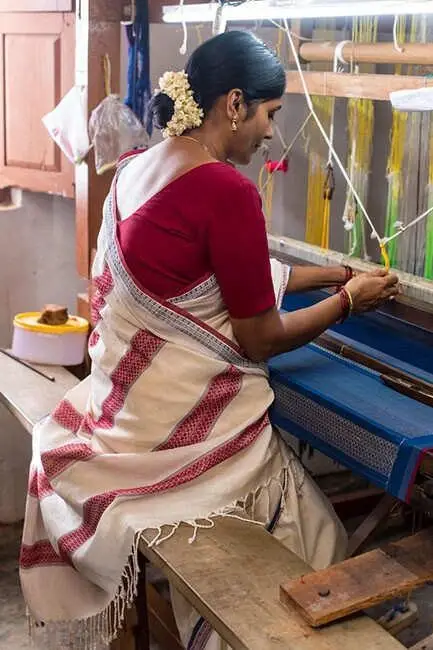
Why Surat is India's Hub for Cotton Saree Manufacturing
Surat’s dominance in textile production did not happen overnight. Decades of infrastructure investment, easy access to raw cotton yarn, and a dense network of skilled weavers, dyers, and printers have made the city a natural home for cotton saree manufacturer at scale. Unlike smaller manufacturing pockets scattered across the country, Surat offers an entire ecosystem under one roof spinning mills, powerloom units, handloom clusters, dyeing houses, and finishing units are all located within a short distance of each other. This proximity drastically reduces production time and logistics cost, which is one of the biggest reasons wholesalers and retailers across India prefer sourcing directly from Surat rather than dealing with fragmented supply chains elsewhere. Buyers who once relied on a scattered wholesale saree market near me listing in their own city now find it far more efficient to work directly with Surat-based units for consistent volume and pricing.
How Pure Cotton Sarees Are Manufactured
Understanding the actual process behind cotton saree manufacturer helps buyers appreciate why quality varies so much between suppliers, and why pricing is rarely the same across the market.
Weaving Process: Handloom vs. Powerloom
The foundation of any cotton saree lies in how it is woven. Handloom sarees are created on traditional wooden looms operated manually by skilled artisans, a process that is slower but produces a distinct texture and character that machine-made fabric cannot replicate. Powerloom sarees, on the other hand, are woven on mechanised looms that allow for faster, higher-volume production while still maintaining pure cotton composition when raw materials are sourced correctly. Most commercial cotton saree manufacturer units in Surat operate a mix of both, using handloom techniques for premium or specialty designs and powerloom capacity for bulk wholesale orders.
Dyeing, Printing and Finishing
Once the fabric is woven, it moves through dyeing and printing stages, where colours, motifs, and patterns are applied using techniques ranging from traditional block printing to modern screen and digital printing. This stage is critical to the overall cotton saree manufacturer process poor dye fixation leads to colour bleeding and fading after a few washes, which is one of the most common complaints buyers have about low-cost sarees. Reputed manufacturers follow strict finishing standards, including proper washing, starching, and edge-finishing, before the saree is packed and readied for dispatch to wholesalers and retailers.
How to Identify a Genuine Pure Cotton Saree
Not every saree labelled cotton is actually pure cotton, and this is where many buyers, especially those new to bulk purchasing, get misled. A simple way to check authenticity is the burn test a small thread pulled from the fabric, when burnt, should smell like burning paper and leave behind soft ash rather than a hard, plastic-like residue, which would indicate synthetic blending. Texture is another giveaway; pure cotton has a slightly rough, breathable feel compared to the smoother, glossier finish of polyester or blended fabric. Weight also matters, since pure cotton sarees tend to feel lighter and more porous. When you are dealing directly with a trusted cotton saree manufacturer unit rather than an unverified middleman, these quality checks are typically already built into their production process, giving buyers far more confidence in what they are purchasing.
Types of Pure Cotton Sarees Manufactured in Surat
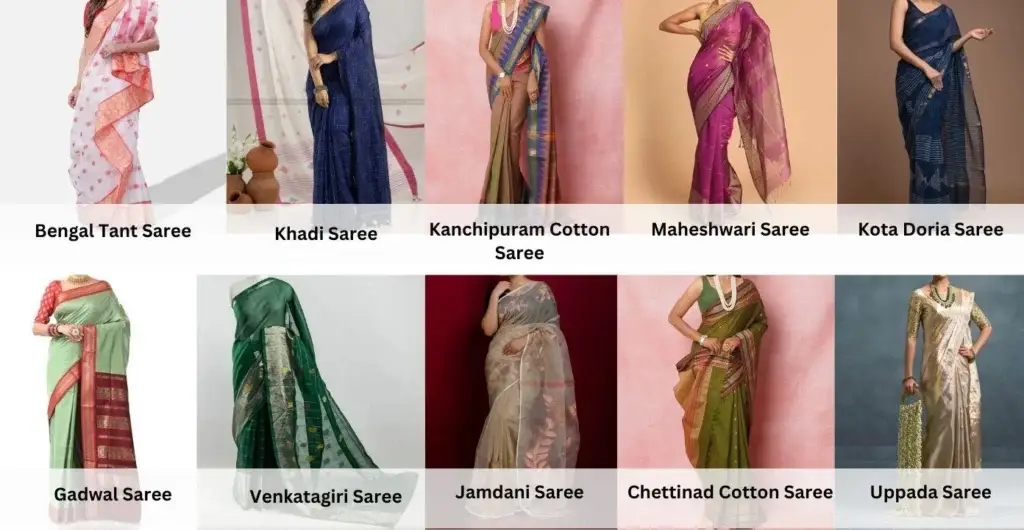
Surat’s manufacturing units produce a wide variety of cotton sarees to suit different markets and price points. The most common categories buyers come across include:
- Handloom cotton sarees : valued for their artisanal appeal and traditional weaving character
- Printed cotton sarees : block print or screen print, dominant in the everyday-wear and festive segments
- Khadi and organic cotton sarees : driven by rising consumer interest in sustainable, chemical-free textiles
- Regional-style cotton weaves : South Indian, Bengal, and other region-inspired designs replicated locally
Many Surat units produce several of these categories under one roof, allowing a single facility to cater to buyers looking for very different design preferences without switching suppliers.
What to Look for in a Cotton Saree Manufacturer or Supplier
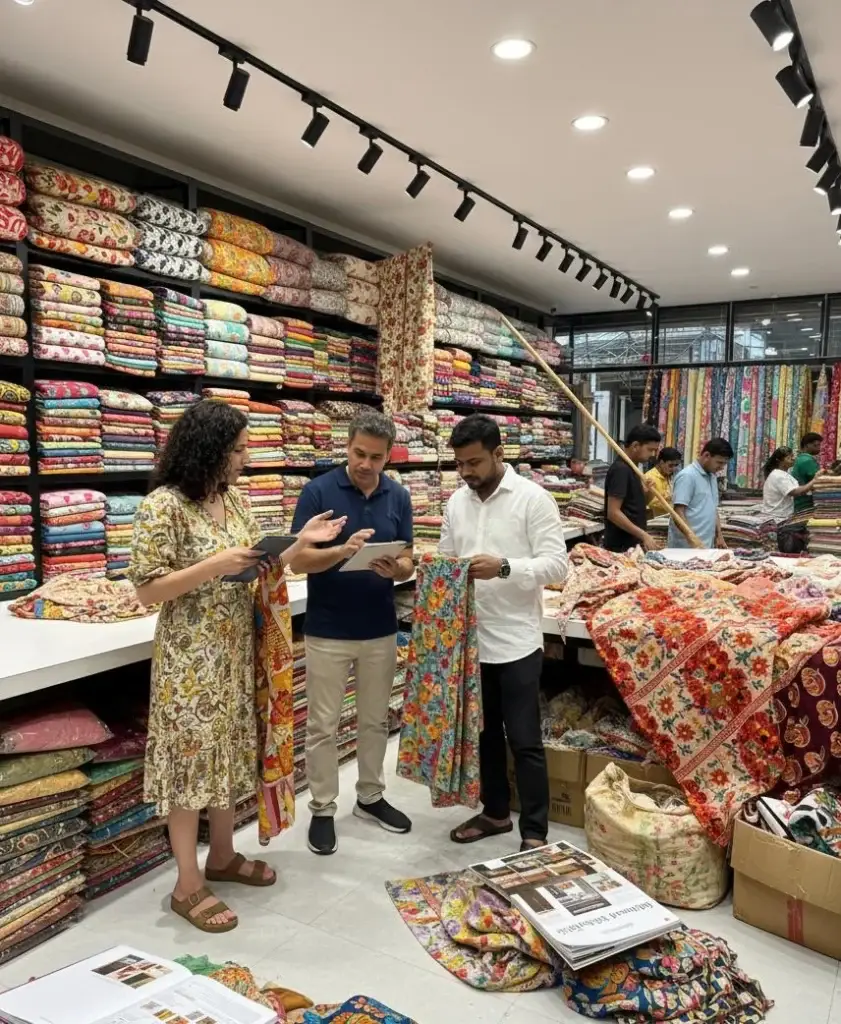
Choosing the right manufacturing partner goes well beyond comparing price lists. Buyers should first understand a unit’s production capacity and minimum order quantity, since this directly affects whether a manufacturer is suited to small retailers or only to high-volume wholesale buyers. Quality control practices matter just as much ask whether fabric testing, colour-fastness checks, and stitching quality inspections happen before dispatch. Customization capability is another important factor for retailers who want their own branding, packaging, or exclusive design lines rather than generic stock. For businesses considering an ongoing relationship, it is also worth checking whether the manufacturer has export experience or a track record of working with saree wholesale dealers near me across different states, as this often reflects consistency and reliability at scale.
Manufacturing Capacity and MOQ
Every manufacturing unit has a different production ceiling, and understanding this upfront prevents mismatched expectations. Some cotton saree manufacturer units are built for boutique-level, low-quantity orders with heavy customization, while others are structured purely for high-volume wholesale supply with fixed design catalogues and faster turnaround.
Customization and Export Readiness
Retailers scaling their own brand often need private labelling, custom packaging, or exclusive prints that competitors don’t carry. Manufacturers with export documentation experience and established logistics tend to handle these requirements more smoothly in the cotton saree manufacturer business, since they are already accustomed to meeting varied compliance and packaging standards for different buyer types.
Pure Cotton Saree Manufacturing: Trends and Demand in 2026
Demand patterns within the cotton saree manufacturer industry have shifted noticeably in recent years. Sustainability has become a genuine purchasing factor, with more buyers and end consumers actively asking about organic cotton, natural dyes, and ethical production practices rather than simply the lowest price. Export demand from Surat has also grown steadily, with international buyers increasingly sourcing directly from Indian manufacturers instead of relying on multiple layers of trading intermediaries. At the same time, there is a visible revival of interest in handloom and artisanal weaves among younger, style-conscious buyers who value craftsmanship over mass production, pushing many manufacturers to expand their handloom lines alongside their existing powerloom capacity.
Final Thoughts
Sourcing from a trusted cotton saree manufacturer unit in Surat gives retailers and wholesalers access to consistent quality, competitive pricing, and the flexibility that fragmented local markets often can’t match. Whether you’re comparing options from a wholesale saree shops near me search or exploring direct manufacturing partnerships for the first time, understanding the actual production process and quality benchmarks puts you in a far stronger position to make the right choice. At Tapitara, we bring years of hands-on manufacturing experience to every order, helping retailers and wholesalers source pure cotton sarees with confidence. Reach out to Tapitara today to discuss your requirements and see how a direct manufacturing partnership can work for your business.