
Table of Contents
Introduction
India’s saree retail business feels especially vibrant right now. From small-town boutiques to multi-city chains, every store owner is chasing the same goal: the right combination of variety, quality, and price that keeps customers coming back. The wholesale sarees market sits quietly at the heart of this growth, powering thousands of retail stores across the country with the stock that keeps their shelves moving. Behind every successful saree store, however, is one quiet decision that shapes everything else: how, where, and from whom you source your inventory.
This guide is built for retailers who want a clear, honest understanding of the bulk saree supply chain. It draws from years of close observation of India’s textile markets, the cities, the suppliers, the seasonal rhythms, and the small details that quietly separate profitable retailers from struggling ones. If you have ever wondered how to enter the wholesale sarees supply ecosystem with confidence, this is the roadmap you have been looking for.
Understanding India's Saree Market Today
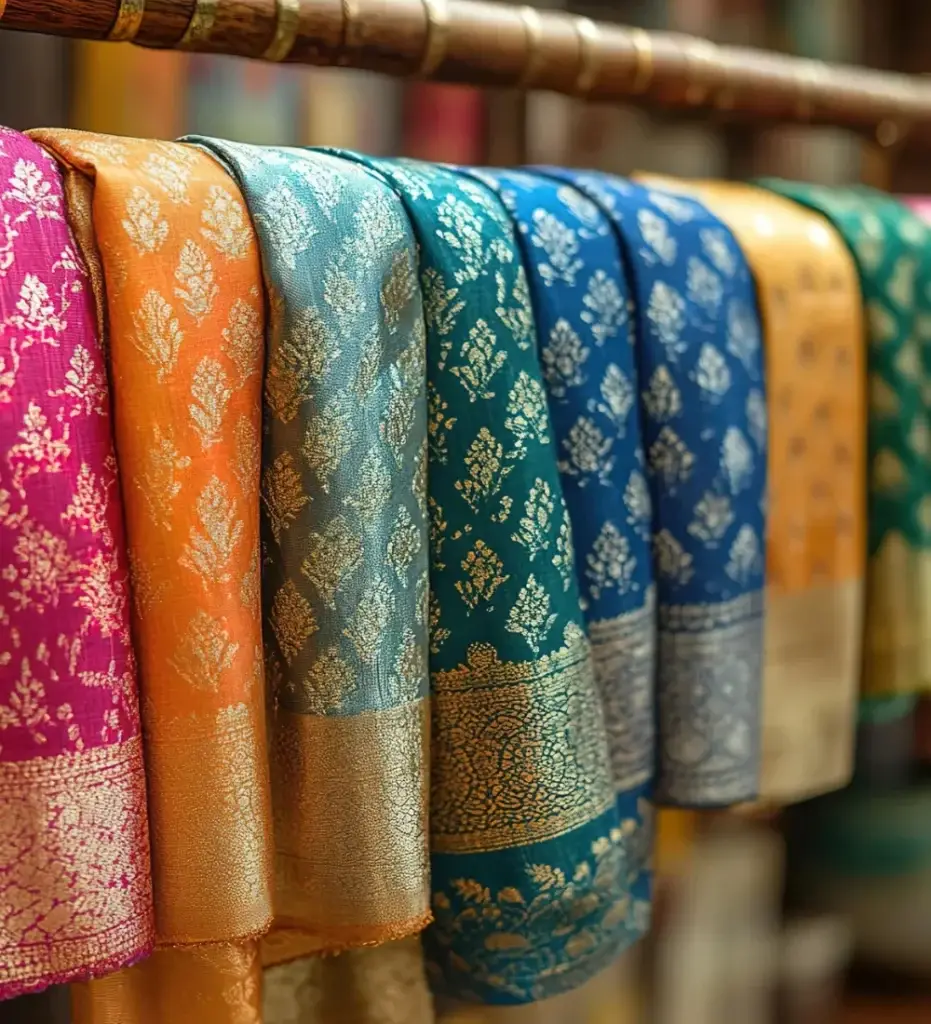
The Indian saree industry is a multi-billion-dollar segment that has held its ground beautifully even as Indo-Western fashion has expanded. Weddings, festivals, religious occasions, and a growing wave of workplace styling continue to keep demand consistent. Industry reports suggest the domestic market will keep growing through this decade, with tier-2 and tier-3 cities contributing the largest share of new buyers.
For retailers, this trend is encouraging, but it also means smarter sourcing matters more than ever before. Customers now research designs on Instagram and Pinterest before stepping into a store, and your collection has to feel both current and rooted in tradition. Buying directly from authentic saree wholesalers and manufacturers gives you the margin and flexibility to achieve that balance comfortably.
Why Bulk Sourcing Makes Business Sense
Purchasing wholesale sarees directly from manufacturers or authorized distributors lowers your per-piece cost significantly. That cost advantage flows naturally into competitive shelf prices and seasonal discount campaigns and still leaves room for healthy margins. Equally important, bulk buying gives you early access to fresh designs before they reach smaller markets, a subtle but powerful edge in a fashion-driven trade.
Bulk orders also help maintain consistent stock during peak windows like Diwali, Navratri, Onam, and the long wedding stretch between November and February. Running out of inventory in those weeks hurts customer trust far more than retailers usually realize.
Popular Saree Categories Worth Stocking
Traditional Silk Sarees
Daily Wear Cotton and Synthetic Sarees
Designer and Party Wear Sarees
Major Textile Hubs Every Retailer Should Know
Surat : The Synthetic and Printed Capital
Varanasi : Home of Banarasi Weaves
Kanchipuram and Kolkata
How to Choose a Reliable Saree Supplier
Verify Business Credentials First
Always ask for GST registration, a verifiable business address, and references before placing your first order. Authentic distributors share these details without hesitation, and the GST portal lets you confirm whether the registration is currently active and matches the claimed business name.
Inspect Samples Before Bulk Commitments
Clarify MOQ and Payment Terms
Quality Checks Before Placing Your Order
Quality control is where many retailers stumble. The temptation to chase the lowest price often leads to receiving consignments that look nothing like the original samples. A disciplined inspection routine prevents this consistently and protects your store’s reputation.
Before finalizing any bulk saree order, examine the fabric for evenness, check prints for alignment defects, run a small water test for color bleed, and study the zari work for tarnishing. For silk pieces, Silk Mark and Handloom Mark certifications are reliable signals of authenticity. Always inspect sarees under natural daylight rather than shop tubelights, since artificial lighting easily hides color inconsistencies. A focused fifteen-minute check per lot can spare you weeks of customer complaints later.
Common Mistakes First-Time Retailers Make
Most retailers buying wholesale sarees for the first time learn these lessons the expensive way. The most frequent mistake is over-ordering from a single supplier on the very first purchase, locking up working capital that should have been spread across categories. Another is ignoring local taste; a Surat best-seller may move slowly in Chennai, and vice versa.
A few patterns repeatedly hurt new entrants:
- Skipping written agreements with suppliers
- Buying entirely off WhatsApp catalogues without physical verification
- Ignoring seasonal and regional trend research
- Underestimating storage and packaging requirements
Treat your first six months as a learning phase, not a profit phase. The retailers who survive long-term are the ones who treat early mistakes as tuition fees rather than as failure.
Building a Long-Term Wholesale Strategy
Successful retailers think of wholesale sarees sourcing as a long-term relationship rather than a one-time transaction. They typically work with two or three reliable suppliers, maintain a balanced inventory between fast-moving daily wear and premium occasion pieces, and study customer feedback every season to refine their next purchase decisions.
Digital presence is no longer optional either. A clean Instagram catalogue, a WhatsApp Business profile, and a Google Business listing can dramatically expand your reach beyond walk-in footfall. Pair offline experience with online visibility, and your store becomes future-ready rather than just functional. A well-organized wholesale sarees inventory, refreshed every season, will quietly do more for your growth than any flashy marketing campaign ever could.
Patience is the quietest ingredient of success in this trade. The retailers who thrive learn the rhythm of their market, respect their suppliers, and never compromise on quality even when margins feel tight during slower months.
Conclusion
If you are serious about creating a saree store that customers genuinely trust and return to, your supplier choice will define your journey. Tapitara brings together curated collections, verified quality, transparent pricing, and the kind of dependable service that growing retailers need to scale with confidence.
Explore Tapitara’s latest wholesale sarees catalogue today and take a confident step toward a stronger, more profitable retail business. Whether you run a single neighborhood store or a multi-city chain, Tapitara is designed to support retailers like you every season, with every order, and every step of the way.