Sarees Manufacturers in India: How to Choose a Reliable Wholesale Supplier

Introduction

Table of Contents

Meera runs a boutique, and she once ordered 200 georgette sarees from a supplier she’d found online. The sample looked lovely. The delivery didn’t. The fabric was thinner, the colour a shade off, and the parcel came two weeks late. Her customers noticed before she did. It’s a common story, and it usually starts with picking the wrong supplier. If you’re looking at sarees manufacturers for the first time, this guide is for you. We’ll skip the jargon and talk about what to ask, what to check and when to walk away. A little textile sourcing knowledge helps too, so keep it handy.
Sarees Manufacturers in India

Who Is a Saree Manufacturer, Really?

Who Is a Saree Manufacturer, Really?

Ask three sellers who they are and all three will claim to be saree manufacturers in India. Not true, of course. A real manufacturer owns the looms or the processing unit and controls the fabric from yarn to finish. A wholesaler buys in volume from several makers and resells. A trader simply connects buyers and sellers, often with thin margins and thinner accountability. None of them is bad by default. But know whose door you’re knocking on, because that decides who fixes the mistake when it happens.

Why buying at source changes your margins and control

Buying straight from wholesale saree manufacturers removes a layer or two between you and the loom. That usually means better pricing room, faster answers on production, and a say in design. It also means more responsibility. You’ll handle minimums, sampling cycles and timelines yourself. Honestly, that trade is worth it for most boutique owners and resellers who plan to order again and again.

Where India Makes Its Sarees

Walk through Surat’s textile market at ten in the morning and you’ll get it. Trucks. Bales. Buyers arguing over a metre of georgette. Surat is known for synthetic fabrics and heavy embroidery, and many sarees manufacturers in India run their units here. Varanasi carries the silk and brocade tradition. Kanchipuram is famous for temple-border silk weaves, made slowly and worn for decades. Jaipur is the place for block prints and bandhani. Each hub has its own character. If you search for sarees manufacturers near me, you’ll probably land on a local trader first, so widen the net. Sarees weavers manufacturers in smaller clusters sometimes offer work you won’t find in the big markets.

Fabrics and Finishes You Can Source in Bulk

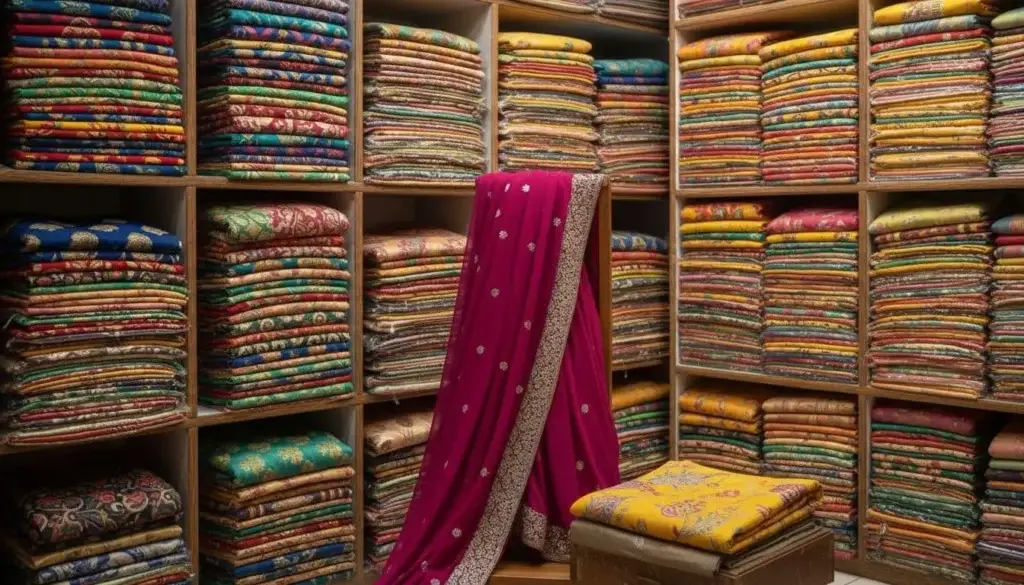
Start with fabric, because it sets the price and the feel. Georgette and chiffon drape light and sell well for daily and party wear. Organza gives that crisp, sheer look. Cotton suits summer and regular buyers. Silk is the premium end, and luxury sarees manufacturers usually work with pure silks, zari and fine hand finishing. Then comes the work on top. Embroidery adds weight and shine. Digital print keeps costs sensible and designs flexible. Handloom brings texture and a story customers love. Bandhani is tie-dye done by hand, and it’s a festival favourite. Pick two or three fabrics and a couple of finishes to begin with. Don’t try to stock everything. That’s how dead inventory is born.

How Wholesale Pricing Actually Works

MOQ, set sizes and why they exist

Most wholesale sarees manufacturers sell in sets or minimum quantities. It isn’t greed. A production run has fixed setup costs, and tiny batches don’t pay. Some suppliers quote per piece, some per set of six or ten, some by the metre. Ask which one applies before you compare rates. A lower per-piece price with a higher minimum can cost you more in the end.

Payment terms, advances and what is negotiable
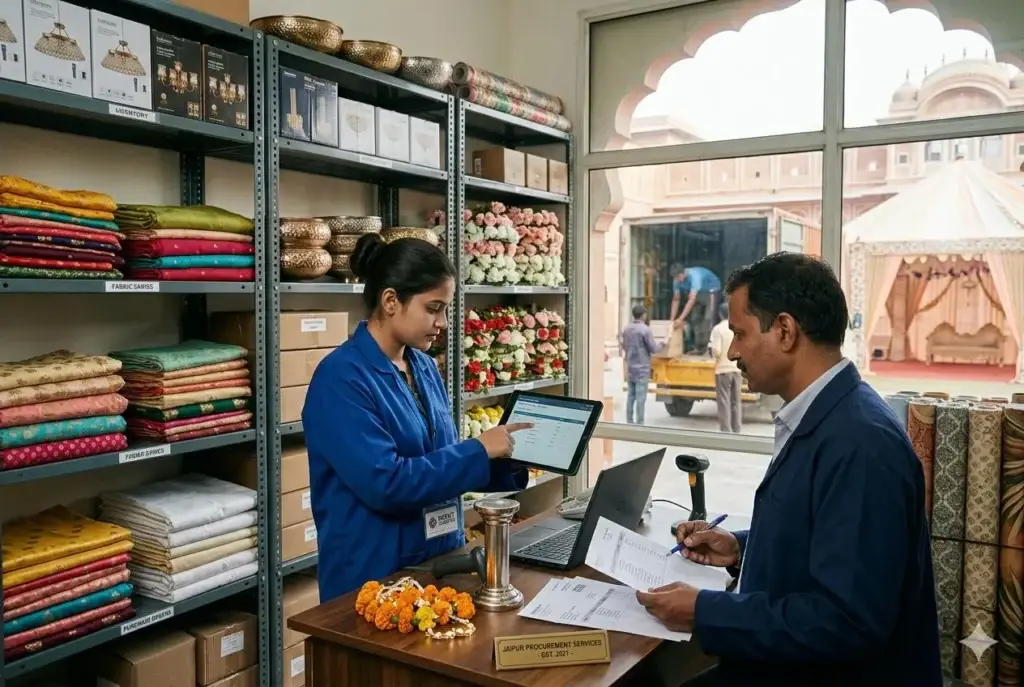
Advances are normal in this trade. Full upfront payment to a stranger is not. Many suppliers accept a part advance and the balance before dispatch, or after you’ve seen the goods. Rates, packing, dispatch schedule and sample charges are often negotiable, especially for repeat buyers. Fabric quality and specs are not. Never trade those for a discount. And get every agreed term in writing, even if it’s a clear WhatsApp summary.
Payment Terms, Advances and What Is Negotiable

How to Judge a Supplier Before You Commit

Proof to ask for: GST, samples, factory visit and existing buyers

The best sarees manufacturers don’t mind being checked. Verify the GST number on the government portal, and look for a real address and an online presence older than last month. Then ask for a few things:

  • A physical sample from the actual lot, not a catalogue piece.
  • A factory visit or a live video walk through the unit.
  • One or two existing buyers you can speak to.

Someone who has reordered three times tells you more than any brochure or catalogue.

Warning signs and common buyer mistakes

Back to Meera. Looking back, the warning signs were all there. Vague answers on fabric weight. Pressure to confirm “today, because the price will go up.” No clear sample policy. And she approved the order from photos alone, which was her own mistake, not the supplier’s. Another classic is ordering bulk before a small trial lot. Walk away if a supplier dodges simple questions, refuses a video call, or won’t put terms in writing. Trust your gut. It’s usually right.

Customisation Private Label and Repeat Orders

Once the first order lands well, the relationship gets interesting. Custom sarees manufacturers can adapt colours, borders, motifs and packing to suit your brand, and some also do private labelling with your tags and packaging. Expect higher minimums and a longer sampling cycle for this. That’s fair. If you’re thinking of overseas buyers, textile export sarees manufacturers work with different paperwork, packing standards and timelines, so ask about export experience early. For repeat orders, agree on a dispatch rhythm that suits your sales, whether monthly, seasonal or festival-linked. A supplier who remembers your preferences is worth far more than one who is a few rupees cheaper.

Conclusion

Choosing among sarees manufacturers comes down to a few honest checks: who they really are, how they price, and how they behave when you ask hard questions. Take your time with the first order. Start small, verify everything, and grow from there. Ready to see real samples? Reach out to Tapitara and request a catalogue or sample set.

Leave a Comment

Your email address will not be published. Required fields are marked *

Scroll to Top