
Table of Contents
Introduction
Farah runs a small saree store in Nagpur. Last season she ordered 150 pieces from a supplier who sounded perfect on the phone. The rate was low. The delivery was late. Half the lot had colour running at the border. She learned the hard way that choosing wholesale sarees manufacturers is not about the cheapest quote, it is about knowing who actually makes the cloth. If you want a wider view first, our guide on how to choose a reliable supplier is a good starting point.
This blog walks you through bulk buying in plain language. Where the sarees come from, what decides the price, how to check a supplier, and how to place that first order without losing sleep. No jargon dumps. Just the stuff that matters when real money is on the table.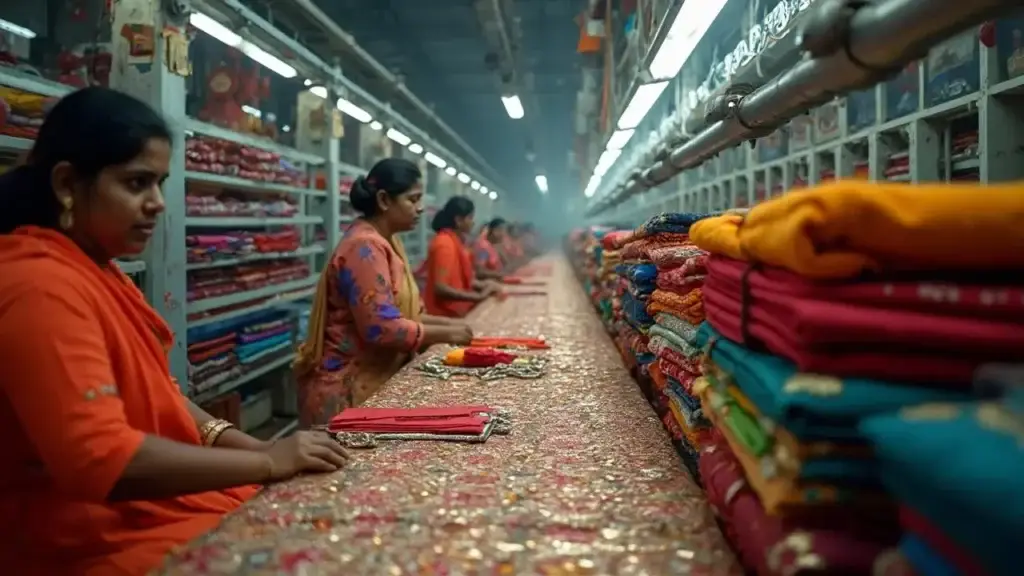
Who Really Makes the Saree You Are Buying?
Manufacturer, Trader or Agent
Why Buying Direct Protects Your Margin
Surat: Why Buyers Keep Coming Back
What Really Moves the Price
Fabric, Work and Finish
Fabric comes first. Georgette, chiffon, satin, patola prints, each has its own cost. Then comes the work, whether its stone, sequin, zarkan or embroidery. More hand finishing means more rupees. Buyers hunting wholesale sarees manufacturers under 1000 should stay with lighter work and simpler fabrics, while luxury sarees manufacturers charge for heavy embellishment and premium cloth. For a quick look at budget ranges, see these affordable work sarees.
Quantity, MOQ and Payment Terms
Buying for Weddings, Festivals and Everyday Stock
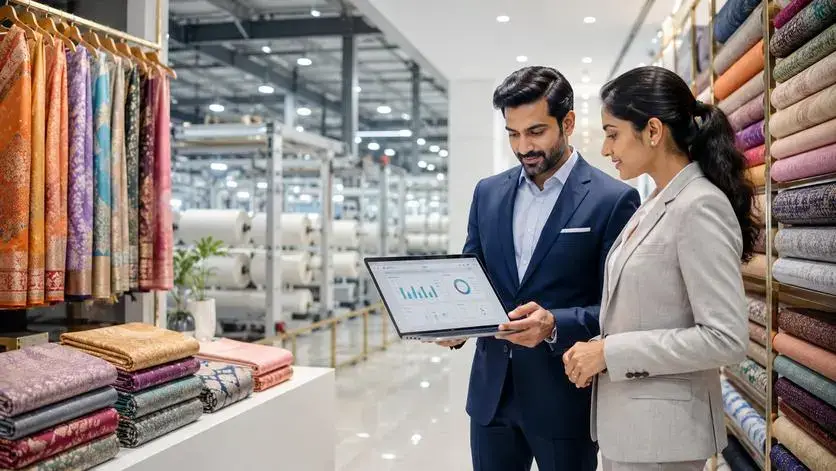
Think about who walks into your shop. Wholesale sarees manufacturers for weddings need months of lead time, since heavy embroidery and stonework can’t be rushed. Book your bridal lots before the season begins, not during it. Bridal work sarees show the kind of detailing that sells at this time. Festival buying is quicker and lighter. Party wear sits in between. Everyday sarees move all year, and that is where a steady relationship with saree collection manufacturers pays off, because you can reorder the same quality again and again. Wedding saree manufacturers also tend to share seasonal design previews early, so ask. Mix your stock. Don’t bet on one season.
Checking a Supplier Before You Pay
Samples and Fabric Tests
Visits, GST and References
Visit the unit if you can, or ask for a video walk-through. A manufacturing facility tells you more than a catalogue ever will. Check the GST number on the government portal. Ask for two or three buyer references, and actually call them. Genuine suppliers does not mind. Be careful with a wholesale sarees manufacturers sale that offers old stock at fresh prices, or rates that look too good to be real.
Placing Your First Bulk Order Without Stress
Start small, honestly. A trial lot of a few designs tells you more than a big gamble. Share your requirements clearly: fabric, colour, work, quantity, packing and the date you need it. Approve a sample, confirm the rate in writing, then pay the agreed advance. During production, ask for a photo or two. Before dispatch, check the quality yourself or through someone you trust. The bulk order page at Tapitara shows how this flow looks in practice. Keep a simple record of every lot, including defects and delays. Once the first lot sells well, reorders get easier and rates often improve. Patience early gives you leverage later.
Final Thoughts
Bulk buying isn’t hard. It is just unforgiving when you rush. Know who makes the sarees, understand what builds the price, test the sample, and put everything in writing. Do that and the margin mostly takes care of itself. If you want designs made to your own specification, working with custom sarees manufacturers like Tapitara gives you factory-direct pricing, bulk supply and a Surat-based team that actually answers questions. Reach out, share your requirements, and see what a straight conversation looks like.